LifeLine & Run 4 Your Life (RFYL): The Ultimate Biometric Survival Mesh
The LifeLine and Run 4 Your Life (RFYL) ecosystem is a paradigm-shifting leap in emergency logistics, fundamentally redefining the scope of survival tracking. Dubbed “the ultimate tracker that doesn’t track you unless you want it to,” the system shifts emergency telemetry from isolated, passive pinging to an intelligent, dynamic biometric mesh network. Whether you are facing an avalanche on the slopes of Whistler or navigating a sudden urban evacuation, this architecture transforms panic into managed fluid dynamics and creates an impenetrable safety net for humans, pets, and commercial assets.
Core Technological Capabilities:
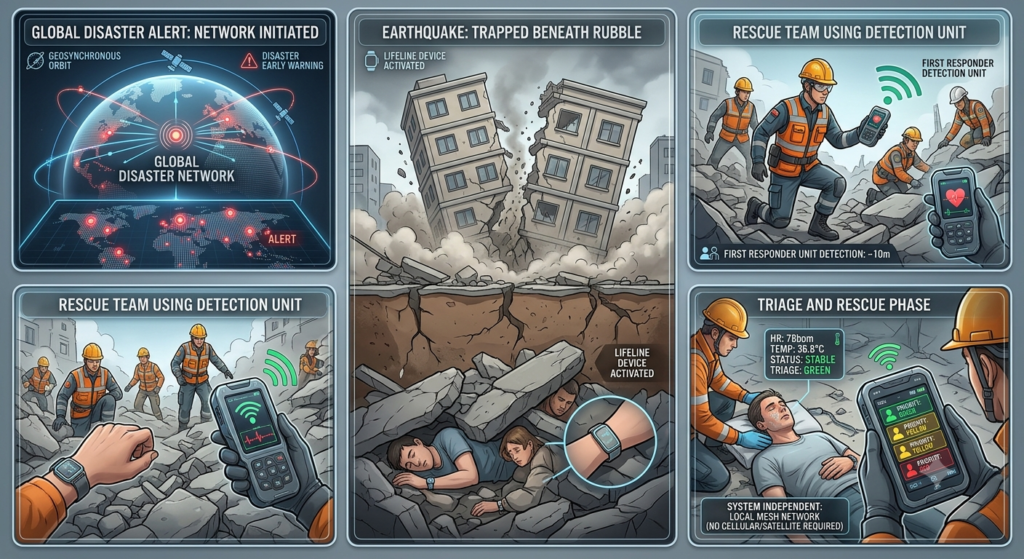
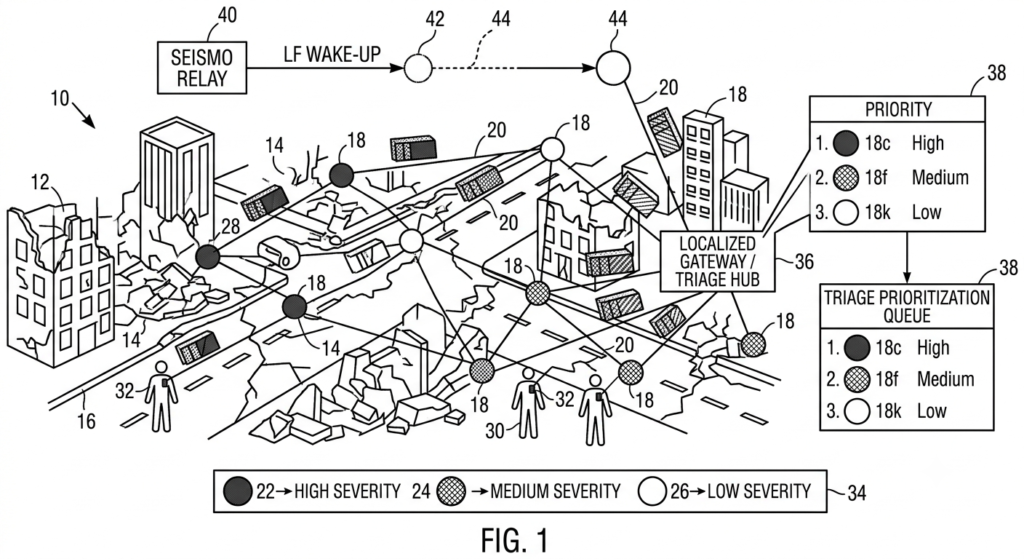
- User-Sovereign Privacy & Dual-Channel Override: The “Dark Node” privacy matrix ensures the absolute cessation of geographic tracking under standard conditions to protect consumer privacy. In a disaster, an authenticated master key (e.g., FEMA/IPAWS) awakens a secondary, cryptographically dormant “listen-only” hardware channel. This out-of-band override initiates an active survival broadcast without freezing the user’s primary bidirectional communication, allowing uninterrupted access to tailored evacuation routes.
- Biometric “Inert Node” Filtering: To eliminate false positives during rescue efforts, localized Edge-AI algorithms confirm active biological baselines, such as pulse cadence, body temperature, and human thermal transfer. Transponders without vitals—like an empty pair of Skechers STUDS sitting in a closet—are mathematically classified as inert and filtered out of the triage queue, ensuring first responders only track living targets.
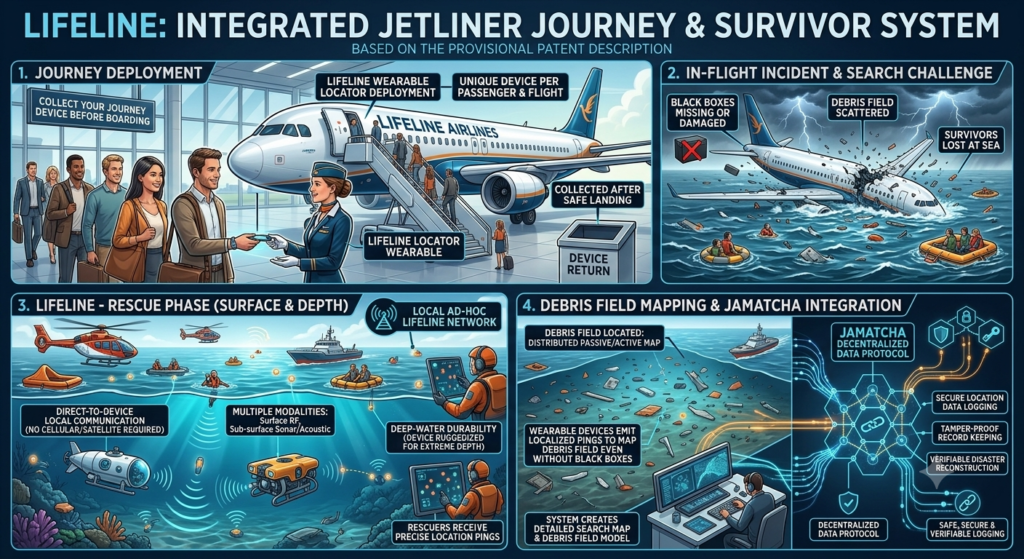
- Energy-Autonomous Zero-Cellular Mesh: Operating independently of cellular and satellite infrastructure, the system utilizes a Sub-GHz LoRa radio frequency band to form ad-hoc, peer-to-peer mesh connections. Wearable embodiments, such as integrated Slip-ins footwear, feature piezoelectric kinetic energy harvesting modules that power the transponder, routing localized triage data directly to first responder detection units.
- Dynamic Fluidic Crowd-Flow Routing: During massive evacuations, the decentralized Edge-AI actively monitors spatial transponder density and collective biometric stress spikes (e.g., elevated aggregate heart rates) to instantly pinpoint fatal bottlenecks. The network then dynamically transmits secondary routing directives to divert approaching pedestrian flow away from congestion zones.
- Multi-Species Cryptographic Segmentation: Leveraging the exact same highly scalable hardware across the human, domestic pet, and commercial livestock sectors, the system uses Cryptographic Domain Keys to keep networks perfectly isolated. A drone scanning a ranch for a herd of cattle will only read livestock tags, effortlessly filtering out overlapping data from a neighbor’s domestic pet collar or a hiker’s shoe.